Wywiad z zespołem Schröttersburg / Interview with Schrottersburg band / Entrevista com a banda Schrottersburg

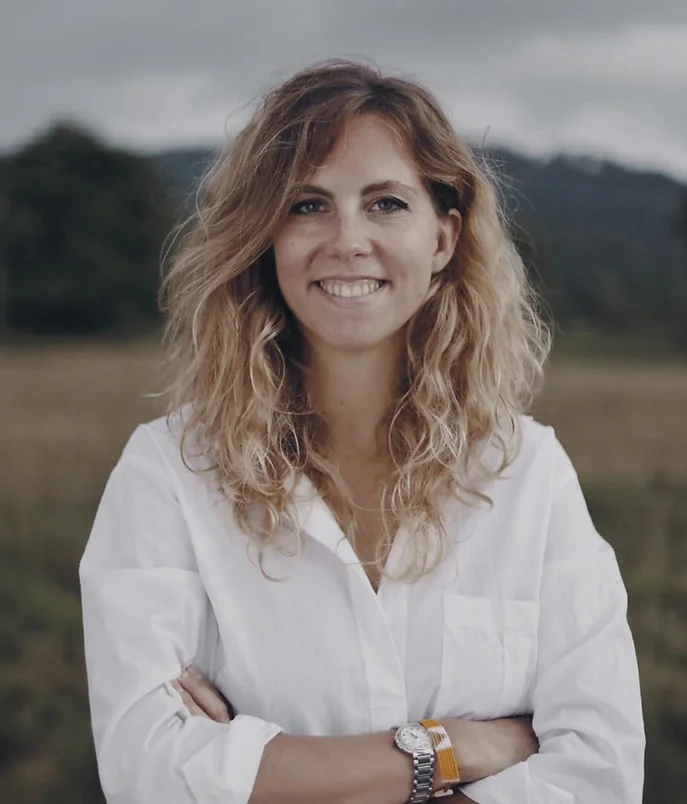
fot. Michał Kupicz.jpg
PL
Schröttersburg to projekt z Płocka, który obserwuję od samego początku. Dynamicznie rozwijający się od samego początku - stylistycznie, filozoficznie, i warsztatowo. Przy całym bogactwie jaki wnosi każdy z ich członków, trudno było się nie spodziewać czegoś świeżego, głębokiego i wnoszącego nową jakość. Pozwoliłem sobie porozmawiać z nimi o nowym albumie i nie tylko.
1. W życiu każdego człowieka zajmującego się sztuką ( czasem
określanego artystą/artystką ale czasem kimś kto zajmuje się kilkoma
dziedzinami naraz) jest moment kiedy dochodzi się do tej konkretnej
decyzji, która kieruje nas w stronę decyzji o tym by zacząć tworzyć,
produkować, komponować, nagrywać - co w Waszym przypadku było
takim momentem?
Michał: Może to, że zawsze dużo słuchałem różnorodnej muzyki, poszukiwałem
dźwięków, pochłaniałem je i czasami analizowałem te nagrania. To była chęć
spróbowania czy mi się uda wydobyć coś z siebie, wytworzyć jakiś soniczny
wszechświat.
Krzysiek: W moim przypadku była to raczej forma terapii. Wcześniej nie
traktowałem muzyki jako sposobu na rozwijanie wyobraźni i kreatywności, ale
jako sposób wyrażania swoich uczuć i emocji, których nie potrafiłem ubrać w
słowa. Bardzo często w tamtym okresie wpadałem w doły i stany
melancholijne. Wtedy pojawiły się w moim życiu takie zespoły jak The Cure czy
Joy Division, które do mnie przemawiały i idealnie współgrały z moim
wewnętrznym stanem emocjonalnym. Można powiedzieć, że dzięki muzyce
przetrwałem najgorsze momenty w swoim życiu, myśląc: „Kurcze, nie tylko ja
mam przejebane… inni też nie mają fajnie”. Wspomniane bandy zadziałały na
mnie terapeutycznie i sam zacząłem traktować instrumenty jak Relanium.
Obecnie muzykę postrzegam jednak jako ciekawą układankę, która co prawda
jest zsynchronizowana z moimi wewnętrznymi stanami, ale jednocześnie
staram się wyszukiwać w niej oryginalnych elementó, które współgrają
zarówno ze sobą, jak i ze mną, tworząc spójną całość.
2. Schröttersburg to niemiecka nazwa miasta Płock - jakie zaplecze
kulturalne miało dla Was do zaoferowania Wasze miasto rodzinne?
Jakie były początki Waszej działalności?
Michał: We wczesnych latach, gdy zaczynałem świadomie słuchać muzyki
bardzo lubiłem Rigor Mortiss czy Niech Będzie. Pochłaniałem również to co
prezentował Jacek Markiewicz w swojej galerii „a.r.t.”, między innymi prace
Kozyry, Althamera, Żmijewskiego, Libery czy performance Suka Off.
Pierwsze miesiące Schröttersburg to eksperymenty, improwizacje,
poznawanie siebie nawzajem. Interakcje, z których powstawały pierwsze
utwory, jakaś dyscyplina, żeby próbować i poszukiwać.
Krzysiek: Na początku wspólnego grania raczej się poznawaliśmy i każdy
wnosił coś od siebie, trochę z „innej parafii”. Okazało się, że całkiem nieźle
to ze sobą współgra, każdy się w tym odnajduje i realizuje. Myślę, że to był
fajny eksperyment, bo mimo że każdy z nas słucha trochę innej muzy i
przede wszystkim inaczej podchodzi do grania, to według mnie powstaje z
tego ciekawy konglomerat.
Jeśli chodzi o zaplecze kulturowe, które w jakiś sposób wywarło na mnie
wpływ „za dzieciaka”, to bardzo lubiłem zespół STRAJK i ich pierwszą płytę
„Nie Pójdziemy” z ponadczasowymi tekstami nastolatka Mariusza
Zalewskiego, który bardzo młodo odebrał sobie życie. Bardzo się z nimi
utożsamiałem i nadal uważam te teksty za genialne w swojej prostocie i
szczerości. Był jeszcze zespół DOCTORS, który bardzo lubiłem i do dziś
bardzo cenię. Niestety zespół nagrał jedynie materiał demo w połowie lat
90.
3. Jak wyglądają Wasz próby i jak wygląda Wasz proces twórczy - co
decyduje o określonym kierunku i drodze od inspiracji, pomysłów do
realizacji?
Michał: Każdy z nas słucha różnych rodzajów muzyki, grzebie w obecnym
oceanie dźwięków. Czasami ktoś przeniesie jakiś pomysł i rozwijamy go, dużo
improwizujemy czy eksperymentujemy z danym brzmieniem czy motywem.
Nie narzucamy sobie nowych kierunków. Rozmawiamy o jakiś wyobrażeniach
naszych brzmień, jednak w praktyce może wyjść całkiem inaczej. Czasami też
dźwięki same się tworzą wychodząc z nas.
Krzysiek: Oprócz tego, co powiedział Michał, uważam, że poszukiwanie nowych
brzmień i instrumentów oraz tworzenie sampli w znacznym stopniu
przyczyniają się do ewolucji Schrottersburga. Gdyby nie brzmienia
instrumentów klawiszowych na „Dalet”, sitaru na „Om Shanti Om” czy beczki
na „Kosmogonii”, te płyty brzmiałyby zupełnie inaczej i mogłyby nie różnić się
zbytnio od poprzednich. Myślę, że słowo „POSZUKIWANIA” najlepiej oddaje to,
że niedawno nagraliśmy nasz siódmy album, który znów będzie niby podobny, a
jednak inny. :)
4. Wasz modal/idiom muzyczny jakim operujecie jest bardzo specyficzny
- z jednej strony eklektyczny bo łączy różne gatunki: muzykę
elektroniczną, wpływy nowej fali, krautrocka, muzyki
improwizowanej, krautrocka i rozmaitych odmian muzyki
eksperymentalnej. Jak udaje się Wam porozumieć między sobą by
tworzyć tak świetnie ułożony moduł zawierający tyle bogactwa
muzycznego?
Michał: Teraz mi uzmysłowiłeś, że czasami gramy nowe dźwięki, nowy motyw,
wcześniej nawet nie rozmawiając o nim. Może to jakaś soniczna interakcja,
dźwiękowa telepatia czy może coś innego. Co do tego „bogactwa muzycznego”
to wciąż uważam, że trzeba mieć otwarty umysł na muzykę, nie ograniczać się.
Wyjść poza swoje „muzyczne ramy” by doświadczać innych brzmień.
5. W obecnym klimacie ekonomiczno-kulturalnym jest trudno
dystrybuować muzykę - nośniki fizyczne i ich popularność bardzo
fluktuują, streaming wręcz kasuje projekty muzyczne, które
wynikają z autentycznego poszukiwania. Jak widzicie siebie w tym
bałaganie?
Michał: Wiem o co Ci chodzi jednak nie utrzymujemy się z tego. To wciąż nasze
hobby. Wciąż kupuję płyty na różnych nośnikach, jednak rozumiem, że
streaming to jakiś znak czasu. Raczej nie da się tego zatrzymać.
Krzysiek: Gdybyśmy nie odkładali pieniędzy, które nazwijmy to zarobiliśmy na
koncertach czy ze sprzedaży płyt, to nie wiem, czy byłoby nas stać na
nagrywanie kolejnych albumów. Mamy taką filozofię, że po każdym koncercie
odliczamy koszty wynajmu auta, paliwa itd., a wszystko, co zostaje, odkładamy
„do świnki”. Dzięki temu jesteśmy w stanie funkcjonować jako zespół, nie
inwestując zbyt wielu środków zarobionych na etacie „w fabryce”.
6. Jak udaje się Wam zachować zdrową dynamikę pomiędzy członkami
projektu? Myślicie czasem o kolaboracjach lub remiksach?
Michał: Oczywiście, że jesteśmy otwarci na różne formy współpracy, niestety
często brakuje nam na to czasu. Dla przykładu na początku naszej działalności
zaprosiliśmy na wspólny koncert Paulinę Owczarek (Morświn, Stare Taśmy,
Sambar, XATARATA), która grała na saksofonie podczas jednego koncertu. Kilka
lat temu ukazała się też nasza płyta „Melancholia. Dekonstrukcje”, gdzie różne
osoby remixowały czy reinterpretowały nasz album. Byli to Piotr Dąbrowski,
Vilkduja, TZii, Ame de Boue, Gaap Kvlt, Mirt, Fleuve oraz 1997EV. Zobaczymy co
przyniesie przyszłość.
Krzysiek: Dodam jeszcze projekt „Ana”, który zrealizowaliśmy wspólnie z
Mariuszem Pogonowskim. Podczas przedstawienia teatralnego graliśmy na
żywo improwizowaną muzykę w tle.
7. Plany na przyszłość?
Michał: W sierpniu w końcu wyjdzie nasza nowa płyta „Ignis”, którą nagraliśmy
w październiku 2025 roku. Niestety z różnych przyczyn musieliśmy opóźnić jej
premierę. Mam nadzieję, że wszystko się uda. Mamy zaplanowane jakieś
koncerty. Oprócz tego powoli pracujemy nad kolejnym albumem. Myślę, że
„Ignis” zamknie pewien etap naszej twórczości. Chcemy znów zniszczyć nasz
obraz by wyłonić się w innym wcieleniu. Czas pokaże czy nam się uda.

fot. pan Piotrowski
ENG
Schröttersburg is a project from Płock, Poland that I have been following from the very beginning—one that has evolved dynamically in terms of style, philosophy, and craftsmanship. Given the wealth of talent each member brings to the table, it was only natural to expect something fresh, profound, and genuinely innovative. I took the opportunity to talk to them about their new album and more.
1. In the life of anyone involved in art—whether labelled an "artist" or someone working across multiple disciplines—there comes a specific moment that steers us toward creating, producing, composing, or recording. What was that moment for you?
Michał: Perhaps it was the fact that I always listened to a wide variety of music; I sought out sounds, absorbed them, and sometimes analysed the recordings. It was a desire to see if I could draw something out of myself—to create a sonic universe of my own.
Krzysiek: For me, it was more of a form of therapy. I didn't initially view music as a way to develop my imagination or creativity, but rather as a means to express feelings and emotions I couldn't put into words. Back then, I often fell into bouts of depression and melancholy. That was when bands like The Cure and Joy Division entered my life; they spoke to me and resonated perfectly with my inner emotional state. You could say music helped me survive the worst moments of my life—thinking, "Damn, I’m not the only one having a shitty time... others are struggling too." Those bands had a therapeutic effect on me, and I started treating instruments like *Relanium* [a sedative]. However, I currently view music as an intriguing puzzle—one that, while synchronized with my inner states, also allows me to seek out original elements that resonate both with each other and with me, forming a cohesive whole.
2. Schröttersburg is the German name for the city of Płock—what kind of
cultural scene did your hometown offer you?
How did you get started?
Michał: In the early days, when I was beginning to listen to music
consciously, I really liked bands like Rigor Mortiss or Niech Będzie.
I also absorbed the work presented by Jacek Markiewicz at his "a.r.t."
gallery—including pieces by Kozyra, Althamer, Żmijewski, and Libera,
as well as performances by Suka Off.
The first few months of Schröttersburg were about experimentation,
improvisation, and getting to know one another. It was about the
interactions that birthed our first tracks—and a certain discipline
to keep trying and exploring.
Krzysiek: When we first started playing together, we were mostly getting
to know each other, and everyone brought something of their own—
things coming from somewhat different musical worlds. It turned out
to mesh quite well; everyone found their place and a way to express
themselves within it. I think it was a cool experiment because, even
though we each listen to slightly different music and—more importantly—
approach playing differently, the result is, in my opinion, an interesting
amalgamation. As for the cultural background that influenced me back when I was a kid,
I really liked the band STRAJK and their debut album,
*Nie Pójdziemy*, featuring the timeless lyrics of teenager Mariusz
Zalewski, who took his own life at a very young age. I strongly
identified with them and still consider those lyrics brilliant in their
simplicity and sincerity. There was also the band DOCTORS, which I
really liked and still highly value to this day. Unfortunately, the band
only recorded demo material in the mid-90s.
3. What do your rehearsals and creative process look like—what
determines the specific direction and the path from inspiration and
ideas to actual realization?
Michał: Each of us listens to different types of music, digging through the
current ocean of sounds. Sometimes someone brings in an idea and we
develop it; we improvise a lot or experiment with a specific sound or
motif. We don’t force new directions on ourselves. We talk about our
ideas for the sound, but in practice, the result might be completely
different. Sometimes the sounds just create themselves, emerging from
within us.
Krzysiek: In addition to what Michał said, I believe that the search for new
sounds and instruments, as well as the creation of samples, contributes
significantly to Schrottersburg’s evolution. Were it not for the keyboard
sounds on *Dalet*, the sitar on *Om Shanti Om*, or the barrel on
*Kosmogonia*, those albums would sound completely different and might
not differ much from the previous ones. I think the word "SEARCH" best captures the fact
that we recently recorded our seventh album—one that, once again,
will be somewhat similar yet different. :)
4. The musical idiom you work with is very distinctive
– on one hand, it’s eclectic, blending various genres: electronic
music, new wave influences, Krautrock, improvised
music, and diverse forms of experimental
music. How do you manage to communicate with one another
to create such a well-structured whole that encompasses
such musical richness?
Michał: You’ve just made me realize that sometimes we play new sounds or a new motif
without even discussing it beforehand. Perhaps it’s a form of sonic interaction,
musical telepathy, or something else entirely. As for that "musical richness,"
I still believe one needs to keep an open mind about music and avoid self-imposed limits.
To step outside one’s "musical boundaries" in order to experience other change.
5. In the current economic and cultural climate, distributing music is difficult—
the popularity of physical formats fluctuates wildly, and streaming effectively
wipes out music projects born of genuine artistic exploration. How do you
see yourselves fitting into this mess?
Michał: I know what you mean, but we don’t make a living from this. It’s still
a hobby for us. I still buy records on various formats, though I understand
that streaming is a sign of the times. It’s pretty much unstoppable.
Krzysiek: If we didn’t set aside the money—let’s call it earnings—from
concerts or record sales, I don’t know if we could afford to record
subsequent albums. Our philosophy is to deduct the costs of van rental,
fuel, and so on after every show, and put whatever is left into the
"piggy bank." That allows us to function as a band without sinking too
much of the money we earn at our day jobs into it.
6. How do you manage to maintain a healthy dynamic among the project
members? Do you ever consider collaborations or remixes?
Michał: We’re certainly open to various forms of collaboration, though
unfortunately, we often lack the time. For instance, early on, we invited
Paulina Owczarek (Morświn, Stare Taśmy, Sambar, XATARATA) to join us
for a show; she played saxophone at one of our concerts. A few years
ago, we also released an album titled *Melancholia. Dekonstrukcje*,
featuring various artists remixing or reinterpreting our work. They were Piotr Dąbrowski,
Vilkduja, TZii, Ame de Boue, Gaap Kvlt, Mirt, Fleuve, and 1997EV. We’ll see what
the future brings.
Krzysiek: I’d also like to mention the "Ana" project, which we created together with
Mariusz Pogonowski. We performed live, improvised background music during a theatre production.
7. Plans for the future?
Michał: Our new album, "Ignis"—which we recorded back in October 2025—
is finally coming out in August. Unfortunately, we had to delay its
release for various reasons. I hope everything works out. We have some
concerts lined up. Besides that, we’re slowly working on the next album. I think
"Ignis" will mark the end of a certain chapter in our creative journey. We want
to shatter our image once again so we can emerge in a new incarnation.
Time will tell if we succeed.

foto Michał Buraczyński
PT
Schröttersburg é um projeto de Płock, na Polónia, que acompanho desde o início. Têm vindo a desenvolver-se de forma dinâmica desde o princípio — estilisticamente, filosoficamente e tecnicamente. Com toda a riqueza que cada membro traz, era difícil não esperar algo novo, profundo e inovador. Aproveitei a oportunidade para conversar com eles sobre o novo álbum e muito mais.
1.Na vida de qualquer pessoa envolvida com arte — seja rotulada como "artista" ou alguém que trabalha em diversas disciplinas — chega um momento específico que nos direciona para a criação, produção, composição ou gravação. Qual foi esse momento para si?
Michał: Talvez tenha sido o facto de sempre ter ouvido uma grande variedade de música; procurava sons, absorvia-os e, por vezes, analisava as gravações. Era um desejo de ver se conseguia extrair alguma coisa de mim — criar um universo sonoro próprio.
Krzysiek: Para mim, era mais uma forma de terapia. Inicialmente, não via a música como uma forma de desenvolver a minha imaginação ou criatividade, mas sim como um meio de expressar sentimentos e emoções que não conseguia colocar em palavras. Nessa altura, entrava frequentemente em crises de depressão e melancolia. Foi quando bandas como The Cure e Joy Division entraram na minha vida; falavam comigo e ressoavam perfeitamente com o meu estado emocional. Pode dizer-se que a música me ajudou a sobreviver aos piores momentos da minha vida — pensando: "Caramba, não sou o único a passar por um momento difícil... outros também estão a sofrer." Estas bandas tiveram um efeito terapêutico em mim, e comecei a tratar instrumentos como o *Relanium* [um sedativo]. No entanto, atualmente vejo a música como um puzzle intrigante — um que, embora sincronizado com os meus estados internos, me permite também procurar elementos originais que ressoam entre si e comigo, formando um todo coeso.
2. Schröttersburg é o nome alemão da cidade de Płock — que tipo de cena cultural a sua cidade natal lhe oferecia? Como começou?
Michał: No início, quando comecei a ouvir música conscientemente, gostava muito de bandas como Rigor Mortiss ou Niech Będzie. Absorvi também o trabalho apresentado por Jacek Markiewicz no seu "a.r.t." galeria—incluindo obras de Kozyra, Althamer, Żmijewski e Libera, bem como atuações de Suka Off. Os primeiros meses em Schröttersburg foram dedicados à experimentação, improvisação e ao conhecimento mútuo. Tratava-se das interacções que deram origem às nossas primeiras faixas — e de uma certa disciplina para continuar a tentar e a explorar.
Krzysiek: Quando começámos a tocar juntos, estávamos sobretudo nos conhecendo, e cada um trazia algo de seu — coisas vindas de mundos musicais algo diferentes. Acabou a funcionar muito bem; cada um encontrou o seu lugar e uma forma de se expressar dentro disso. Acho que foi uma experiência gira porque, mesmo que cada um de nós ouça música ligeiramente diferente e — mais importante —
abordar a música de forma diferente, o resultado é, na minha opinião, uma interessante amálgama. Quanto à minha formação cultural, que me influenciou enquanto criança, Gostei muito da banda STRAJK e do seu álbum de estreia, *Nie Pójdziemy*, com as letras intemporais do adolescente Mariusz Zalewski, que tirou a sua própria vida muito jovem. Eu identificava-me muito com eles e ainda considero estas letras brilhantes na sua simplicidade e sinceridade. Havia também a banda DOCTORS, que eu gostava muito e ainda hoje valorizo bastante até hoje. Infelizmente, a banda apenas gravou material demo em meados dos anos 90.
3.º Como são os seus ensaios e processo criativo — o que determina a direção específica e o caminho da inspiração e ideias à realização concreta?
Michał: Cada um de nós ouve diferentes tipos de música, explorando as oceano de sons atual. Às vezes, alguém traz uma ideia e nós a desenvolvemos; Improvisamos bastante ou experimentamos com um som ou motivo específico. Não nos impomos novos rumos. Conversamos sobre as nossas ideias para o som, mas, na prática, o resultado pode ser completamente diferente. Por vezes, os sons simplesmente criam-se sozinhos, emergindo de dentro de nós.
Krzysiek: Para além do que Michał disse, acredito que a procura de novos sons e instrumentos, bem como a criação de samples, contribui significativamente para a evolução do Schrottersburg. Se não fossem os sons de teclado em *Dalet*, a cítara em *Om Shanti Om* ou o barril em *Kosmogonia*, estes álbuns soariam completamente diferentes e poderiam não diferir muito dos anteriores. Penso que a palavra "BUSCA" capta melhor o facto de que gravámos recentemente o nosso sétimo álbum — um que, mais uma vez, será de certa forma semelhante, mas diferente. :)
4.º A linguagem musical com que trabalham é muito peculiar– por um lado, é eclética, misturando vários géneros: música eletrónica, influências da new wave, Krautrock, música improvisada
e diversas formas de música experimental. Como conseguem comunicar para criar um todo tão bem estruturado que abranja tanta riqueza musical?
Michał: Fizeste-me perceber que às vezes tocamos sons novos ou um novo tema
sem sequer discutir isso antes. Talvez seja uma forma de interação sonora,
telepatia musical, ou algo completamente diferente. Quanto a esta "riqueza musical",
continuo a acreditar que é preciso manter a mente aberta. Pensar na música e evitar limites auto-impostos.
Sair das próprias "fronteiras musicais" para experimentar outras mudanças.
5. No actual clima económico e cultural, distribuir música é difícil —
a popularidade dos formatos físicos flutua drasticamente, e o streaming efetivamente
elimina projetos musicais nascidos de uma genuína exploração artística. Como vocês
se veem a encaixar nessa situação?
Michał: Eu sei o que queres dizer, mas não ganhamos a vida com isso. Ainda é
um passatempo para nós. Ainda compro discos em vários formatos, embora compreenda
que o streaming é um sinal dos tempos. É praticamente imparável.
Krzysiek: Se não reservássemos o dinheiro — chamemos-lhe ganhos — de
concertos ou vendas de discos, não sei se conseguiríamos suportar a gravação de
álbuns subsequentes. A nossa filosofia é deduzir os custos do aluguer da carrinha,
combustível e assim sucessivamente após cada concerto, e colocar o que sobrar no
"cofrinho". Isto permite-nos funcionar como banda sem gastar muito
do dinheiro que ganhamos nos nossos empregos fixos com isso.
6. De que forma conseguem manter uma dinâmica saudável entre os membros do projeto?
Já consideraram colaborações ou remixes?
Michał: Estamos certamente abertos a várias formas de colaboração, embora
infelizmente, muitas vezes falte-nos tempo. Por exemplo, no início, convidámos
Paulina Owczarek (Morświn, Stare Taśmy, Sambar, XATARATA) para se juntar a nós
num show; ela tocou saxofone num dos nossos concertos. Alguns anos
há também lançamos um álbum intitulado *Melancholia. Dekonstrukcje*,
com vários artistas a remisturar ou reinterpretar o nosso trabalho. Foram eles Piotr Dąbrowski,
Vilkduja, TZii, Ame de Boue, Gaap Kvlt, Mirt, Fleuve e 1997EV. Veremos o que
o futuro nos reserva.
Krzysiek: Gostaria também de referir o projeto "Ana", que criámos em conjunto com
Mariusz Pogonowski. Apresentamos música de fundo improvisada ao vivo durante uma produção teatral.
7.º Planos para o futuro?
Michał: O nosso novo álbum, "Ignis" — que gravámos em outubro de 2025 —
será finalmente lançado em agosto. Infelizmente, tivemos de adiar o
lançamento por vários motivos. Espero que tudo corra bem. Temos alguns
espetáculos agendados. Além disso, estamos a trabalhar aos poucos no próximo álbum. Acho que
"Ignis" marcará o fim de um certo capítulo da nossa viagem criativa. Queremos
romper com a nossa imagem mais uma vez para que possamos emergir numa nova encarnação.
Só o tempo dirá se seremos bem-sucedidos.
Comments
Post a Comment