ENG
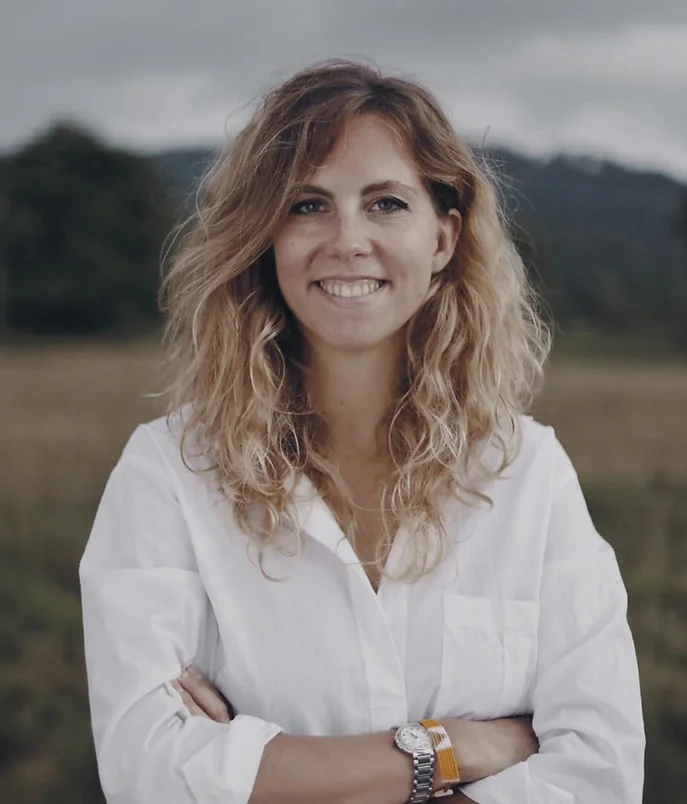
“Karolina Beimcik is a multidimensional and ever-seeking artist — she brings together the worlds of jazz, traditional music, and social-philosophical reflection. She crosses the boundaries of genres and arts, cultures and countries, building her own subtle artistic language. Her remarkable versatility reveals her interdisciplinary spirit and profound approach to music.” — Jazz Forum Magazine, October 2025
Her work blends Slavic folk roots with jazz improvisation and contemporary soundscapes, exploring themes of memory, migration, and belonging.
Author of two albums (Noons [2024], Zorya [2018]), co-producer and creator of many music projects. Vocal consultant at Berklee College of Music - Global Music Institute. She holds a Masters Degree in Jazz Performance from Aaron Copland School of Music at Queens College in New York and Cultural Studies from the Adam Mickiewicz University in Poznań.
She performed at many festivals around the world, including: Expo 2025 (Osaka), International Jazz Perth Festival (Perth), Euro Jazz Festival (Mexico), The International Chopin & Friends Festival, Zacatecas Cultural Festival (Mexico), Cuernevaca Jazz Festival (Mexico)The Transitions Festival (New York), International Chopin and Friends Festival (New York), Jazz Bez Festival (Ukraine), International Festival Flugery L'vova (Ukraine), Art Jazz Cooperation Festival (Ukraine), Cosmopolite Jazz Festival (Ukraine), New Tradition Festiva (Poland), Jazz na Kresach (Polska), Unesco Heritage (Polska).
1. Each of us involved in music and art has had a moment in our lives that decided or influenced us to start doing what we do. What was that moment in your life?
I can't pinpoint a single moment that changed everything – my musical path was intertwined
with many seemingly unrelated events. I remember that as a child, when I first picked up the violin, the world seemed a bit different – as if I had the opportunity to speak a language that understood not only the mind, but also the body and emotions. I had been singing from a young age, but it was the violin that allowed me to experience sound physically, even in an intimate way. Classical music education gave me discipline and structure, but for a long time it limited the way I thought about music – I treated it as a set of rules to be followed. It wasn't until I started improvising and encountered jazz that I felt that music could become a space for self-discovery and open dialogue with others. I remember one improvisation with a musician I met by chance in a small studio – we didn't agree on anything, and the music "talked" between us. This experience showed me that music isn't just written notes – it's breathing simultaneously, sharing a moment that lasts only here and now. Traveling brought an even deeper dimension to this. I went to India for the first time and encountered music that doesn't obey Western logic of harmony, but lives with the rhythm of the body, ritual, and the energy of the place. It was like entering another world – not only musical, but also spiritual. Sound ceased to be just melody; it became prayer, conversation, a way to be present with oneself and others. For me, music has always been connected to literature, poetry, and philosophy. They taught me that sound is not just melody – it's the way the world speaks to us and through us, a means of interpreting reality and nonverbal communication.
If I were to pinpoint the moment that most motivated me to pursue this path, it would be the encounters with the people I collaborated with. Musicians, teachers, friends – those who shared sound and silence with me – gave me the feeling that when I sing or play, everything
calms down and fills with peace, and at the same time, I can express something intangible,
which is difficult to express in words. Thanks to them, I believed that music can be not only a profession or passion, but also a place where I find myself and closeness with others.
2. How has your relationship with your instrument developed over the years? I'm referring to your voice, but also to the instrument you consider your own voice – the violin.
My voice has always been a natural path for me – something that emerges on its own, like breathing. Over time, I relearned it – how it connects with the body, tension, fatigue. The voice is not just a sound, but a whole place where one can wander, search, and allow oneself to be imperfect. Sometimes it becomes almost transparent, sometimes pulsates with intensity. However, it always adapts to the story I want to tell.
The violin was more demanding. For years, I felt it imposed structure and precision – reminded me of the discipline of traditional music education. There was a moment when I no longer knew why I needed it. Only after spending many months in India did I realize
that I could use it differently – not as a tool for reproducing form, but as an extension of the voice, a second voice that I could carry as freely as a melody in conversation. This experience was groundbreaking – I discovered that the instrument can live with me, mature, and breathe depending on who I am here and now.
My relationship with the voice – both human and instrumental – became a journey in search of home. Not only in the literal sense, but also metaphorically: the moments, memories, sounds, and relationships that shape us. Home is also a creative process: the exchange of energy with the audience, working together on pieces, spontaneous improvisations that exist only for a few seconds and will never be repeated. These shape my relationship with the instruments and teach me to listen – and to let the instruments listen to me.
3. How important is it to you to explore new musical areas to enrich your own musical language? Music is constant change – something that constantly expands if allowed to lead
into the unknown, and that develops with us. Every new experience: contact with a different tradition, improvising with an unfamiliar instrument, learning new vocal techniques, or observing the way others build a phrase, broadens my musical language. It gives me a different perspective, a sense of time and rhythm, and allows me to reveal details that emerge only when I slow down or allow myself to take risks. The most vivid for me is always the boundary – the moment when something inside me hesitates, doesn't
understand, doesn't know. That's where curiosity is born. My trips to India were groundbreaking in this regard – they opened me up to sound systems outside European harmony and changed the relationship with time: sound can last longer, silence takes on a different temperature, and emotion doesn't have to be immediately closed. This experience taught me that music is a process, not a point; a path, not a destination. Collaborating with musicians playing traditional instruments showed that music has no boundaries—it's a landscape, a river, where different intuitions intertwine into a single language. I am inspired by various sources: jazz for its courage, folk music for its grounding in the body and collective memory, classical for its precision of form, experimental approaches for its freedom and risk. Each genre opens up a different part of me. My two albums are very different. The first reinterpreted Polish songs—it was rooted in tradition, memory, and shared heritage. The second, Noons, arose from curiosity and a desire to discover new narratives, harmonies, and melodies – opening doors to the world, moving away from the known towards what is only emerging. Writing in Polish in complex harmonic structures required that the words not only carry meaning but also resonate with the music and
retain their timbre. Exploring language became as important as exploring sound – words and melody breathe a shared rhythm. For me, exploring new areas is not only artistic development but also a gesture of opening my imagination and the awareness that music is greater than any style, tradition, or system – alive, pulsating, and ready to reveal itself at any moment, if only I allow myself to truly listen.
4. Together or apart? How do you like working alone and with others? Working alone gives you time to explore, search for new means of expression, and delve into the lyrics, harmony, and structure. It's like sketching in silence before a finished painting appears –
a moment when I can listen to what's just emerging. Solitude allows me to be raw and
honest, to listen to the impulses of intuition and the emotions I want to transform into sound.
At the same time, music is an encounter for me. Collaboration opens doors that I wouldn't notice in solitude. Improvisation becomes a dialogue: our imaginations intertwine in real time, every gesture is a response, every sound a suggestion. This makes the encounter more complete, and the music more human. I need both of these dimensions – solitude, which allows me to go deeper into myself, and collaboration, which allows me to go beyond myself. Bell hooks' words perfectly capture this:
"Knowing how to be solitary is central to the art of loving. When we can be alone, we can be with
others without using them as a means of escape."
Solitude teaches me how to truly be with others – how to listen, respond, and not
use playing together to escape from myself.
5. You toured Australia last year. How did that stay affect you, and how do such trips affect you in general?
Travel brings something new to my work – not only sound, but also a way of perceiving
time, the rhythm of the day, and the creative process. Each place teaches a different pace, mindfulness, and breathing. For me, Australia was full of light, a different dynamic of the day, and the warmth of the people. I felt that time flows more freely there, which influenced my way of conducting concerts and improvising. One of the most fascinating elements of the tour was the audience's reception of the Polish language: Poles
living in Australia, Australians unfamiliar with Polish, and people of Polish descent
all experienced the music in different ways.
I remember a concert at Local Edition in Sydney, where the majority of the audience were
Australians. After the performance, they approached me and said that the Polish language acted as a separate instrument – it carried emotion, rhythm, and tone regardless of the meaning of the words. I believe that emotions and vocal delivery sometimes have more power than a literal understanding of the lyrics. Allowing oneself to
intuitively perceive music is liberating and opens the way to a true experience of sound.
Australia will return to my life in March 2026 – I'm touring there again to continue the musical and human exchange that so deeply influenced me during my first visit.
6. Future plans?
I'm currently focusing on two major projects. The first is preparations for a concert tour
in Australia in March 2026 – an opportunity to reconnect with local audiences and develop
musical dialogues with Indian musicians, discovering new sounds and combining different traditions. The second project is work on the album Rise and Fall. It's a story in sound, where music merges with visualization. Artist parizad d is responsible for the visuals – she scans fossils, creates X-rays of plants, and uses AI to design enlarged, abstract images.
The visualizations become an integral part of the album, giving the music an additional narrative layer and allowing the listener to immerse themselves in a multidisciplinary experience. In addition, I am developing Vocal Landscapes workshops, which allow participants to find their own voice and the freedom to express themselves through sound and body. This is a crucial element of my work – not only sharing music, but also creating an environment in which others can discover their musical language and experience it fully.
PL
„Karolina Beimcik to artystka wielowymiarowa i nieustannie poszukująca – zestawia ze sobą światy jazzu, muzyki tradycyjnej oraz społeczno-filozoficznej refleksji. Przekracza granice gatunków i sztuk, kultur i krajów, budując swój własny, subtelny język artystyczny. Tworzy niezwykłe projekty, które ukazują jej interdyscyplinarność i głębokie podejście do muzyki.” — Jazz Forum Magazine, październik 2025
Jej twórczość łączy słowiańskie korzenie muzyki ludowej z jazzową improwizacją i współczesnym brzmieniem, podejmując tematy pamięci, migracji i przynależności.
Autorka dwóch albumów (Noons [2024], Zorya [2018]), współproducentka i realizatorka wielu projektów muzycznych. Wykładowca Berklee College of Music - Global Music Institute. Absolwentka Aaron Copland School of Music w Queens College w Nowym Jorku i kulturoznawstwa na poznańskim Uniwersytecie im. Adama Mickiewicza.
Koncertowała na wielu festiwalach, m.in.: Expo 2025 (Osaka), The International Jazz Perth Festival 2024 (Perth), The International Chopin & Friends Festival (Nowy Jork), The Transitions Festival (Nowy Jork), Euro Jazz Festival (Meksyk), Zacatecas Cultural Festival (Meksyk), Cuernevaca Jazz Festival (Meksyk), Jazz Bez Festival (Ukraina), International Festival Flugery L'vova (Ukraina), Art Jazz Cooperation Festival (Ukraine), Cosmopolite Jazz Festival (Ukraina), Nowa Tradycja (Polska), Niemen Non Stop (Polska), Jazz na Kresach (Polska), Unesco Heritage (Polska).
1. Każda/y z nas, kto zajmuje się muzyką i sztuką, miał pewien moment w życiu, który
zdecydował o tym, lub wpłynął na to, że zaczęliśmy robić to, co robimy. Co było takim
momentem w Twoim życiu?
Nie potrafię wskazać jednej chwili, która zmieniła wszystko – moja droga muzyczna splatała się z wieloma wydarzeniami, które na pozór nie miały ze sobą związku. Pamiętam, że jako dziecko, kiedy pierwszy raz chwyciłam skrzypce, świat wydawał mi się trochę inny – jakby pojawiła się możliwość mówienia językiem, który rozumie nie tylko umysł, ale też ciało i emocje. Śpiewałam od najmłodszych lat, ale dopiero skrzypce pozwoliły mi doświadczać dźwięku w sposób fizyczny, wręcz intymny.
Klasyczna edukacja muzyczna dała mi dyscyplinę i strukturę, ale długo ograniczała sposób, w jaki myślałam o muzyce – traktowałam ją jak zestaw zasad do wypełnienia. Dopiero kiedy zaczęłam improwizować i zetknęłam się z jazzem, poczułam, że muzyka może stać się przestrzenią do odkrywania siebie i prowadzenia otwartego dialogu z innymi. Pamiętam jedną improwizację z muzykiem, którego spotkałam przypadkiem w małym studio – nie ustalaliśmy nic, a muzyka „rozmawiała” między nami. To doświadczenie pokazało mi, że muzyka to nie tylko zapisane nuty – to oddychanie w tym samym czasie, dzielenie się chwilą, która trwa tylko tu i teraz.
Podróże wniosły w to jeszcze głębszy wymiar. Pierwszy raz pojechałam do Indii i zetknęłam się z muzyką, która nie podporządkowuje się zachodniej logice harmonii, lecz żyje rytmem ciała, rytuałem i energią miejsca. To było jak wejście do innego świata – nie tylko muzycznego, ale też duchowego. Dźwięk przestał być jedynie melodią, stał się modlitwą, rozmową, sposobem na obecność ze sobą i innymi.
Muzyka zawsze była dla mnie związana z literaturą, poezją i filozofią. To one nauczyły mnie, że dźwięk nie jest jedynie melodią – to sposób, w jaki świat mówi do nas i przez nas, środek
interpretacji rzeczywistości i komunikacji niewerbalnej.
Jeśli miałabym wskazać moment, który najbardziej mnie zmotywował do podążania tą drogą, byłyby to spotkania z ludźmi, z którymi współpracowałam. Muzycy, nauczyciele, przyjaciele – ci, którzy dzielili ze mną dźwięk i ciszę – dawali mi poczucie, że kiedy śpiewam lub gram, wszystko uspokaja się i wypełnia spokojem, a jednocześnie mogę wypowiedzieć coś nieuchwytnego, co trudno oddać słowami. Dzięki nim uwierzyłam, że muzyka może być nie tylko zawodem czy pasją, ale także miejscem, w którym odnajduję siebie i bliskość z innymi.
2. Jak rozwijała się relacja z Twoim instrumentem przez lata? Mam na myśli Twój głos, ale
też instrument, który uważasz za swój własny głos – skrzypce.
Mój głos zawsze był dla mnie naturalną ścieżką – czymś, co pojawia się samo, jak oddech. Z czasem uczyłam się go na nowo – jak łączy się z ciałem, napięciem, zmęczeniem. Głos to nie tylko dźwięk, lecz całe miejsce, w którym można błądzić, szukać i pozwalać sobie na niedoskonałość.
Czasami staje się niemal przezroczysty, czasem pulsuje intensywnością. Zawsze jednak
dostosowuje się do historii, którą chcę opowiedzieć. Skrzypce były bardziej wymagające. Przez lata czułam, że narzucają strukturę i precyzję – przypominały o dyscyplinie tradycyjnej edukacji muzycznej. Był moment, w którym nie wiedziałam już, po co ich potrzebuję. Dopiero spędzając wiele miesięcy w Indiach zrozumiałam, że mogę ich używać inaczej – nie jako narzędzia do odtwarzania formy, lecz jako przedłużenia głosu,drugi głos, który mogę prowadzić tak samo swobodnie jak melodię w rozmowie. To doświadczenie było przełomowe – odkryłam, że instrument może żyć razem ze mną, dojrzewać i oddychać w zależności od tego, kim jestem tu i teraz. Relacja z głosem – zarówno ludzkim, jak i instrumentalnym – stała się podróżą w poszukiwaniu domu. Nie tylko w sensie dosłownym, ale również metaforycznym: chwil, wspomnień, dźwięków i relacji, które nas kształtują. Dom to także proces twórczy: wymiana energii z publicznością, wspólna praca nad utworami, spontaniczne improwizacje, które istnieją tylko przez kilka sekund i nigdy się nie powtórzą. To one kształtują moją więź z instrumentami i uczą mnie słuchać – i pozwalać, by instrumenty słuchały mnie.
3. Jak ważne dla Ciebie jest eksplorowanie nowych obszarów muzycznych, by wzbogacać
swój własny muzyczny język? Muzyka to nieustanna zmiana – coś, co stale się poszerza, jeśli pozwoli się jej prowadzić w nieznane, i co rozwija się razem z nami. Każde nowe doświadczenie: kontakt z inną tradycją, improwizacja z nieznanym instrumentem, nauka nowych technik wokalnych czy obserwacja sposobu, w jaki inni budują frazę, poszerza mój język muzyczny. Daje inną perspektywę, odczuwanie czasu i rytmu, pozwala ujawniać detale, które wyłaniają się dopiero wtedy, gdy zwalniam lub pozwalam sobie na ryzyko.
Najbardziej żywa jest dla mnie zawsze granica – moment, w którym coś we mnie waha się, nie rozumie, nie wie. Tam rodzi się ciekawość. Podróże do Indii były w tym przełomowe – otworzyły mnie na systemy dźwiękowe poza europejską harmonią i zmieniły relację z czasem: dźwięk może trwać dłużej, cisza nabiera innej temperatury, a emocja nie musi być natychmiast domknięta. To doświadczenie nauczyło mnie, że muzyka jest procesem, nie punktem; drogą, nie celem. Współpraca z muzykami grającymi na tradycyjnych instrumentach pokazała, że muzyka nie ma granic – to krajobraz, rzeka, w której odmienne intuicje splatają się w jeden język. Inspirują mnie różne źródła: jazz swoją odwagą, muzyka folkowa osadzeniem w ciele i pamięci zbiorowej, klasyka precyzją formy, eksperymentalne podejścia – wolnością i ryzykiem. Każdy gatunek otwiera we mnie inną część siebie.
Moje dwa albumy bardzo się różnią. Pierwszy reinterpretował polskie pieśni – był zakorzeniony w tradycji, pamięci i wspólnym dziedzictwie. Drugi, Południa (Noons), powstał z ciekawości i pragnienia odkrywania nowych narracji, harmonii i melodii – otwarcia drzwi na świat, odejścia od znanego w stronę tego, co dopiero się wyłania. Pisanie w języku polskim w złożonych strukturach harmonicznych wymagało, by słowa nie tylko niosły znaczenie, ale współbrzmiały z muzyką i zachowały swoją barwę. Eksploracja języka stała się równie istotna jak eksploracja dźwięku – słowo i melodia oddychają wspólnym rytmem.
Eksplorowanie nowych obszarów to dla mnie nie tylko rozwój artystyczny, ale też gest otwierania wyobraźni i świadomość, że muzyka jest większa niż jakikolwiek styl, tradycja czy system – żywa, pulsująca i gotowa objawić się w każdym momencie, jeśli tylko pozwolę sobie naprawdę słuchać.
4. Razem czy osobno? Jak Ci się pracuje samodzielnie i z innymi?Praca w samotności daje czas na eksplorację, poszukiwanie nowych środków wyrazu i zagłębianie się w teksty, harmonię, strukturę. To jak szkicowanie w ciszy, zanim pojawi się gotowy obraz –
moment, w którym mogę wsłuchać się w to, co dopiero się rodzi. Samotność pozwala być surową i szczerym, wsłuchiwać się w impulsy intuicji i emocje, które chcę przekuć w dźwięk.
Jednocześnie muzyka jest dla mnie spotkaniem. Współpraca otwiera drzwi, których w samotności nie zauważyłabym. Improwizacja staje się dialogiem: nasze wyobraźnie splatają się w czasie rzeczywistym, każdy gest jest odpowiedzią, każdy dźwięk – propozycją. Dzięki temu spotkanie staje się pełniejsze, a muzyka – bardziej ludzka.
Potrzebuję obu tych wymiarów – samotności, która pozwala wejść głębiej w siebie, i współpracy, która pozwala wyjść poza siebie. Doskonale oddają to słowa bell hooks:
"Knowing how to be solitary is central to the art of loving. When we can be alone, we can be with
others without using them as a means of escape."
Samotność uczy mnie, jak być z innymi w sposób prawdziwy – jak słuchać, reagować i nie
wykorzystywać wspólnego grania do ucieczki od siebie.
5. Byłaś w zeszłym roku na trasie w Australii. Jak na Ciebie wpłynął ten pobyt i jak ogólnie
wpływają na Ciebie takie podróże? Podróże wnoszą do mojej twórczości coś nowego – nie tylko brzmienie, ale też sposób postrzegania czasu, rytmu dnia i procesu twórczego. Każde miejsce uczy innego tempa, uważności i oddechu. Australia była dla mnie pełna światła, odmiennej dynamiki dnia i ciepła ludzi. Czułam, że czas płynie tam szerzej, co wpłynęło na mój sposób prowadzenia koncertów i improwizacji. Jednym z najbardziej fascynujących elementów trasy był odbiór języka polskiego przez słuchaczy: Polacy mieszkający w Australii, Australijczycy nieznający polskiego oraz osoby polskiego pochodzenia odbierały muzykę w różny sposób. Pamiętam koncert w Local Edition w Sydney, gdzie większość publiczności stanowili Australijczycy. Po występie podeszli do mnie i powiedzieli, że język polski działał jak osobny instrument – niesie emocje, rytm i barwę niezależnie od znaczenia słów. Wierzę, że emocje i sposób prowadzenia głosu mają czasem większą moc niż dosłowne rozumienie tekstu. Pozwolenie sobie na intuicyjne odbieranie muzyki jest wyzwalające i otwiera drogę do prawdziwego doświadczenia dźwięku.
Australia wróci do mojego życia w marcu 2026 roku – ponownie wyruszam tam w trasę, by
kontynuować muzyczną i ludzką wymianę, która tak mocno wpłynęła na mnie podczas pierwszej wizyty.
6. Plany na przyszłość?
Obecnie skupiam się na dwóch dużych projektach. Pierwszy to przygotowania do koncertowej trasy w Australii w marcu 2026 roku – to okazja, by ponownie spotkać tamtejszą publiczność i rozwijać muzyczne dialogi z indyjskimi muzykami, odkrywając nowe brzmienia i łącząc różne tradycje. Drugi projekt to praca nad płytą Rise and Fall. To opowieść w dźwięku, w której muzyka łączy się z wizualizacją. Za stronę wizualną odpowiada artystka parizad d – skanuje skamieliny, tworzy rentgeny roślin i wykorzystuje AI do projektowania powiększonych, abstrakcyjnych obrazów. Wizualizacje stają się integralną częścią albumu, nadając muzyce dodatkową warstwę narracyjną i pozwalając słuchaczowi zanurzyć się w multidyscyplinarnym doświadczeniu. Poza tym rozwijam warsztaty Vocal Landscapes, które pozwalają uczestnikom odnaleźć własny głos i swobodę wyrażania siebie poprzez dźwięk i ciało. To dla mnie istotny element twórczości – nie tylko dzielenie się muzyką, ale też tworzenie sytuacji, w której inni mogą odkrywać swój język muzyczny i doświadczać go w pełni.
Karolina Beimcik é uma artista multifacetada e em constante busca – ela combina os mundos do jazz, da música tradicional e da reflexão sociofilosófica. Ela ultrapassa as fronteiras dos géneros e das artes, das culturas e dos países, construindo a sua própria linguagem artística subtil. Cria projetos extraordinários que revelam a sua interdisciplinaridade e a sua abordagem profunda à música.» — Jazz Forum Magazine, outubro de 2025
A sua obra combina as raízes eslavas da música folclórica com a improvisação jazzística e o som contemporâneo, abordando temas como a memória, a migração e a pertença.
Autora de dois álbuns (Noons [2024], Zorya [2018]), coprodutora e realizadora de vários projetos musicais. Professora do Berklee College of Music - Global Music Institute. Formada pela Aaron Copland School of Music no Queens College em Nova Iorque e em estudos culturais na Universidade Adam Mickiewicz em Poznań.
Concertou em vários festivais, incluindo: Expo 2025 (Osaka), The International Jazz Perth Festival 2024 (Perth), The International Chopin & Friends Festival (Nova Iorque), The Transitions Festival (Nova Iorque), Euro Jazz Festival (México), Zacatecas Cultural Festival (México), Cuernevaca Jazz Festival (México), Jazz Bez Festival (Ucrânia), International Festival Flugery L'vova (Ucrânia), Art Jazz Cooperation Festival (Ucrânia), Cosmopolite Jazz Festival (Ucrânia), Nowa Tradycja (Polónia), Niemen Non Stop (Polónia), Jazz na Kresach (Polónia), Unesco Heritage (Polónia).
1. Cada um de nós envolvido com a música e a arte teve um momento na sua vida que decidiu ou influenciou o que nos levou a começar a fazer o que fazemos. Qual foi esse momento da sua vida?
Não consigo apontar um único momento que tenha mudado tudo – o meu percurso musical entrelaçou-se com muitos eventos aparentemente não relacionados. Lembro-me que, em criança, quando peguei no violino pela primeira vez, o mundo pareceu-me um pouco diferente – como se tive a oportunidade de falar uma língua que compreendesse não só a mente, mas também o corpo e as emoções. Eu cantava desde pequena, mas foi o violino que me permitiu experienciar o som de uma forma física, até mesmo íntima. A educação musical clássica deu-me disciplina e estrutura, mas durante muito tempo limitou a forma como eu pensava sobre a música – tratava-a como um conjunto de regras a cumprir. Só quando comecei a improvisar e me deparei com o jazz é que senti que a música se poderia tornar um espaço de autodescoberta e de diálogo aberto com os outros. Recordo-me de uma improvisação com um músico que conheci por acaso num pequeno estúdio – não concordávamos em nada, e a música “conversava” entre nós. Esta experiência mostrou-me que a música não é apenas notas escritas – é respirar simultaneamente, partilhar um momento que dura apenas aqui e agora.
Viajar trouxe uma dimensão ainda mais profunda a isso. Fui à Índia pela primeira vez e encontrei música que não obedece à lógica ocidental da harmonia, mas vive com o ritmo do corpo, o ritual e a energia do lugar. Foi como entrar noutro mundo – não apenas musical, mas também espiritual. O som deixou de ser apenas melodia; tornou-se oração, conversa, uma forma de estar presente consigo próprio e com os outros. Para mim, a música sempre esteve ligada à literatura, à poesia e à filosofia. Elas ensinaram-me que o som não é apenas melodia – é a forma como o mundo fala connosco e através de nós, um meio de interpretar a realidade e a comunicação não verbal. Se tivesse de assinalar o momento que mais me motivou a seguir este caminho, seriam os encontros com as pessoas com quem colaborei. Músicos, professores, amigos – aqueles que partilharam comigo som e silêncio – deram-me a sensação de que, quando canto ou toco, tudo acalma-se e enche-se de paz, e ao mesmo tempo, posso expressar algo intangível, difícil de expressar por palavras. Graças a eles, acreditei que a música pode ser não só uma profissão ou paixão, mas também um lugar onde me encontro e me conecto com os outros.
2.Como se desenvolveu a sua relação com o seu instrumento ao longo dos anos? Refiro-me à sua voz, mas também ao instrumento que considera a sua própria voz – o violino. A minha voz sempre foi um caminho natural para mim – algo que surge por si só, como a respiração. Com o tempo, reaprendi a usá-la – como se liga ao corpo, à tensão, ao cansaço. A voz não é apenas um som, mas um espaço inteiro onde se pode vaguear, procurar e permitir-se ser imperfeito. Por vezes torna-se quase transparente, outras vezes pulsa com intensidade. No entanto, sempre adapta-se à história que quero contar. O violino era mais exigente. Durante anos, senti que ele impunha estrutura e precisão –
lembrava-me da disciplina da educação musical tradicional. Houve um momento em que já não sabia porque precisava dele. Só depois de passar muitos meses na Índia é que me apercebi que podia usá-lo de forma diferente – não como uma ferramenta para reproduzir formas, mas como uma extensão da voz, uma segunda voz que eu podia transportar tão livremente como uma melodia numa conversa. Essa experiência foi revolucionário – descobri que o instrumento pode viver comigo, amadurecer e respirar consoante de quem sou aqui e agora. A minha relação com a voz – tanto humana como instrumental – tornou-se uma viagem em busca de um lar. Não apenas no sentido literal, mas também metaforicamente: os momentos, as memórias, os sons e as relações que nos moldam. O lar é também um processo criativo: a troca de energia com o público, o trabalho conjunto em peças, as improvisações espontâneas que existem apenas por alguns segundos e
nunca se repetirão. Isto molda a minha relação com os instrumentos e ensina-me a ouvir – e a deixar que os instrumentos me ouçam.
3. Qual a importância de explorar novas áreas musicais para enriquecer a sua própria linguagem musical? A música é uma mudança constante – algo que se expande continuamente se for permitido, conduzindo-nos ao desconhecido, e que se desenvolve connosco. Cada nova experiência: o contacto com uma tradição diferente, improvisar com um instrumento desconhecido, aprender novas técnicas vocais ou observar
a forma como os outros constroem uma frase, amplia a minha linguagem musical. Dá-me uma perspectiva diferente, uma noção de tempo e ritmo, e permite-me revelar pormenores que emergem apenas quando abrando o ritmo ou permito-me correr riscos. O mais marcante para mim é sempre o limite – o momento em que algo dentro de mim hesita, não compreende, não sabe. É aí que nasce a curiosidade. As minhas viagens à Índia foram inovadoras nesse sentido. gard – abriram-me para sistemas de som fora da harmonia europeia e mudaram a minha relação com o tempo: o som pode durar mais tempo, o silêncio assume uma temperatura diferente e a emoção não tem de ser imediatamente reprimida. Essa experiência ensinou-me que a música é um processo, não um ponto; um caminho, não um destino. Colaborar com músicos que tocam instrumentos tradicionais mostrou que a música não tem fronteiras – é uma paisagem, um rio, onde diferentes intuições se entrelaçam numa única linguagem. Sou inspirado por diversas fontes: o jazz pela sua coragem, a música folclórica pela sua ligação ao corpo e à memória coletiva, a música clássica pela sua precisão formal, abordagens experimentais pela sua liberdade e ousadia. Cada género revela uma parte diferente de mim. Os meus dois álbuns são muito diferentes. O primeiro reinterpretou canções polacas – estava enraizado na tradição, na memória e na herança partilhada. O segundo álbum, Noons, surgiu da curiosidade e do desejo de descobrir novas narrativas, harmonias e melodias – abrindo portas para o mundo, afastando-se do conhecido em direção ao que está apenas a emergir. Escrever em polaco, com estruturas harmónicas complexas, exigia que as palavras não só transportassem significado, mas também ressoassem com a música e mantivessem o seu timbre. Explorar a linguagem tornou-se tão importante como explorar o som – palavras e a melodia respiram um ritmo partilhado. Para mim, explorar novas áreas não é apenas desenvolvimento artístico, mas também um gesto de abertura a minha imaginação e a consciência de que a música é maior do que qualquer estilo, tradição ou sistema – viva, pulsante e pronta a revelar-se a qualquer momento, se me permitir ouvi-la verdadeiramente.
4. Juntos ou separados? Como gosta de trabalhar sozinho e com outras pessoas? Trabalhar sozinho dá-me tempo para explorar, procurar novas formas de expressão e mergulhar na letra, na harmonia e na estrutura. É como esboçar em silêncio antes de aparecer uma pintura acabada – um momento em que consigo ouvir o que está apenas a emergir. A solidão permite-me ser autêntico e honesto, ouvir os impulsos da intuição e as emoções que quero transformar em som. Ao mesmo tempo, a música é um encontro para mim. A colaboração abre portas que eu não perceberia na solidão. A improvisação torna-se um diálogo: as nossas imaginações entrelaçam-se em tempo real, cada gesto é uma resposta, cada som uma sugestão. Isto torna o encontro mais completo e a música mais humana. Preciso destas duas dimensões – a solidão, que me permite mergulhar mais fundo em mim mesmo, e a colaboração, que me permite ir além de mim mesmo. As palavras de bell hooks captam isso na perfeição:
"Saber estar sozinho é fundamental para a arte de amar. Quando conseguimos estar sozinhos, podemos estar com os outros sem os utilizar como meio de fuga."
A solidão ensina-me a estar verdadeiramente com os outros – a ouvir, a responder e a não usar a interação para escapar a mim mesma.»
5. Fez uma digressão pela Austrália no ano passado. Como é que essa estadia te afetou e como é que essas viagens te afetam em geral? Viajar traz algo de novo ao meu trabalho – não só o som, mas também uma forma de perceber o tempo, o ritmo do dia e o processo criativo. Cada lugar ensina um ritmo, uma atenção plena e uma respiração diferentes. Para mim, a Austrália estava repleta de luz, de uma dinâmica diferente do dia e do calor das pessoas. Senti que o tempo flui mais livremente aí, o que influenciou a minha forma de conduzir concertos e de improvisar. Um dos elementos mais fascinantes da digressão foi a receção do público à língua polaca: os polacos a viver na Austrália, australianos que não conheciam o polaco e pessoas de ascendência polaca todos vivenciaram a música de diferentes formas.
Recordo-me de um concerto no Local Edition em Sydney, onde a maior parte do público era australiana. Após a apresentação, aproximaram-se de mim e disseram que a língua polaca funcionava como um instrumento à parte– transportava emoção, ritmo e tom independentemente do significado das palavras. Acredito que as emoções e a interpretação vocal têm, por vezes, mais poder do que uma compreensão literal da letra. Permitir-se perceber a música intuitivamente é libertador e abre caminho para uma verdadeira experiência sonora. A Austrália regressará à minha vida em março de 2026 – farei novamente uma digressão por lá para continuar a troca musical e humana que tão profundamente me influenciou durante a minha primeira visita.
6.Planos para o futuro?
Atualmente estou a concentrar-me em dois grandes projetos. O primeiro projeto são os preparativos para uma digressão de concertos na Austrália em março de 2026 – uma oportunidade para me reencontrar com o público local e desenvolver diálogos musicais com músicos indianos, descobrindo novos sons e combinando diferentes tradições. O segundo projeto é o trabalho no álbum Rise and Fall. É uma história sonora, onde a música se funde com a visualização. A artista parizad d é responsável pelos visuais – digitaliza fósseis, cria raios X de plantas e utiliza a IA para projetar imagens abstratas ampliadas. As visualizações tornam-se parte integrante do álbum, dando à música uma camada narrativa adicional e permitindo ao ouvinte mergulhar numa experiência multidisciplinar.
Além disso, estou a desenvolver workshops de Paisagens Vocais, que permitem aos participantes encontrar o seu próprio voz e a liberdade de se expressarem através do som e do corpo. Este é um elemento crucial do meu trabalho –não só partilhar música, mas também criar um ambiente no qual outros possam descobrir a sua linguagem musical e vivê-la plenamente.



Comments
Post a Comment